
Why Local Circular Economies Struggle—and How They Scale
Discover why local circular systems stall and how reliable collection, processing, and purchasing networks can scale community impact.
The Local Circularity Gap: Trust, Convenience, and Consistency
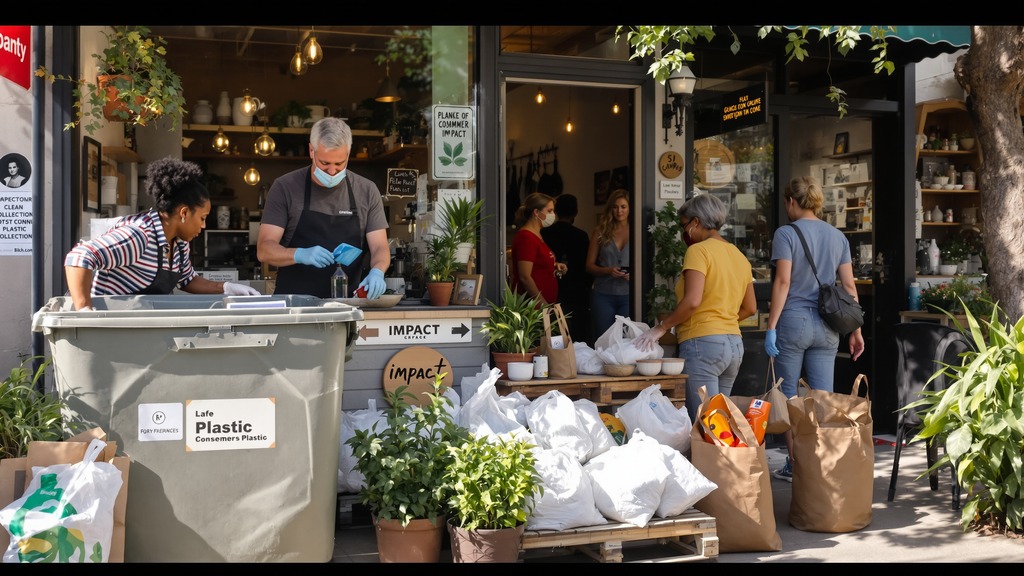
Local circular economies often begin with strong community enthusiasm but struggle to turn participation into a dependable operating system. Residents may support local recycling, yet collection points can be inconvenient, accepted materials unclear, and feedback almost nonexistent. When people cannot see what happens after drop-off, trust declines. Contamination then rises, usable material falls, and volunteers or small teams spend more time sorting problems than building momentum. These are not simply awareness issues; they are design and coordination challenges.
Financial pressure adds another barrier. Community programs must pay for bins, transport, weighing, cleaning, equipment, labor, storage, and compliance before they generate revenue. Recycled feedstock can also fluctuate in volume and quality, making production planning difficult. At the same time, sustainable products often cost more than conventional alternatives, limiting demand. A successful local recycling model must therefore connect participation with visible value. EcoLoop’s approach—collecting eligible plastic through local partners and converting it into affordable planters, reusable bags, and décor—helps close that loop. Customers can see both the environmental result and the practical product, making community sustainability tangible rather than abstract.
Building Reliable Networks Without Losing the Local Connection
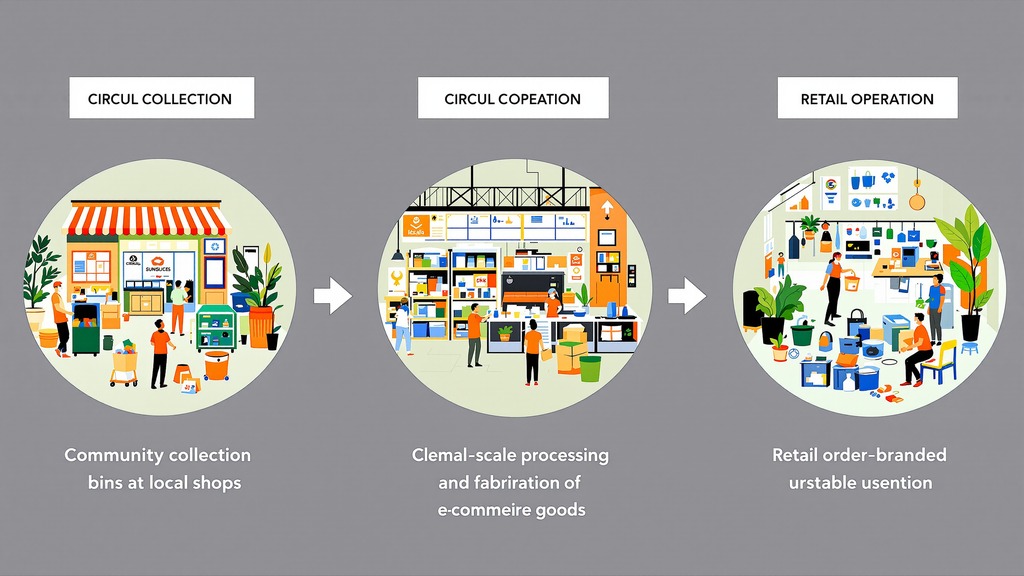
Scaling impact starts with repeatable processes, not simply more collection points. Each partner should know which plastics are accepted, how materials must be prepared, when pickups occur, and how results will be reported. Simple signage, staff guidance, scheduled collection, and contamination checks can turn occasional participation into a routine. Digital records also matter: weighing every shipment creates a shared baseline for diversion, production yields, inventory, and partner communication. These systems make local recycling more predictable while preserving the personal relationships that motivate participation.
The strongest model connects three networks: collection, manufacturing, and purchasing. Shops, offices, and community groups provide a steady stream of material; processing and fabrication partners transform it into tested goods; households, retailers, cafés, and organizations create dependable demand. Business orders can anchor production through branded planters, reusable bags, or workplace gifts, while online sales broaden the customer base. This combination reduces reliance on one revenue stream and helps align supply with orders. For EcoLoop, partnerships are not just drop-off arrangements—they are shared circular-economy workflows in which every participant can understand their role, costs, outputs, and measurable contribution.
Scaling Impact Through Measurable, Shared Value

Local circular economies scale when growth improves reliability instead of weakening trust. That requires clear unit economics and a disciplined definition of impact. Operators should track collection cost per kilogram, usable yield after sorting, processing and fulfillment costs, product margins, repeat purchase rates, and contamination levels. They should also share understandable outcomes with partners: kilograms diverted, products made, orders fulfilled, and estimated replacement of single-use goods. Transparent reporting turns sustainability claims into evidence and gives businesses a reason to renew their participation.
The goal is not to make every community identical. It is to create a flexible model with consistent standards and local adaptation. One neighborhood may prioritize café collection and planters; another may rely on schools, offices, or community campaigns. Shared product specifications, quality testing, supplier agreements, payment tools, and inventory records can support expansion while local partners preserve relevance. Over time, purchasing commitments become as important as donations, because earned revenue funds collection and processing. By linking practical goods to community action, EcoLoop demonstrates how circular economy ventures can grow commercially and socially. The result is a local recycling network that is convenient, accountable, and capable of scaling impact without losing its human connection.